

Published 16 April 2026
Safe Learning Spaces
The conditions children grow up in shape their health and development
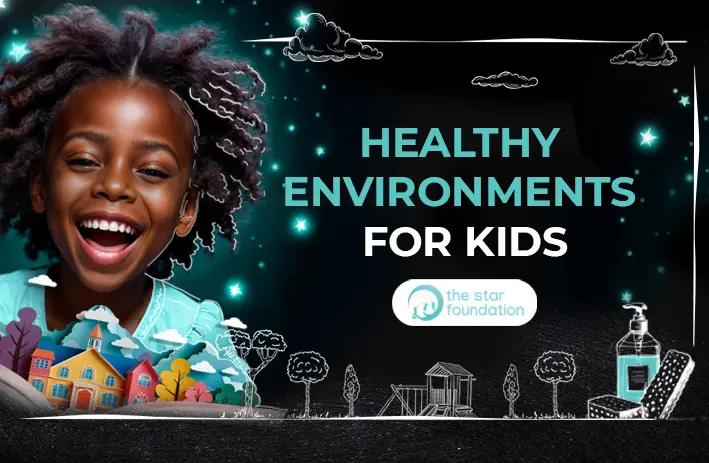
You can’t expect a child to focus on learning in an environment that works against them.
Yet for many learners, this is the reality of their school day. Classrooms can be overcrowded, sanitation facilities are inadequate, access to clean water is inconsistent, and basic hygiene is difficult to maintain.
Because long before a child steps into a lesson, their environment shapes how they experience school.
For many learners across South Africa, these challenges are part of everyday life. Schools often serve communities where access to basic services is limited, and the pressures children face at home do not disappear when they arrive at school. Many learners enter the classroom already carrying the effects of hunger, discomfort or instability.
This means that school is not just a place of learning, but a space that can either support a child or make it harder for them to keep up and stay engaged.
When a child’s environment does not support their wellbeing, the impact is immediate. Hunger remains a significant barrier for many learners, affecting concentration, energy levels and overall development. A child who is unwell, hungry or uncomfortable is far less likely to focus or participate fully.
Addressing these challenges requires practical support that meets learners’ everyday needs. Access to nutrition and safe, supportive school environments can make a meaningful difference.
Creating healthy environments for children is essential to their wellbeing and their ability to succeed. When the right conditions are in place, children are better able to learn, participate and build a foundation for their future.